For wealthy individuals, real estate has historically served as a fundamental aspect of their financial standing—but modern investors are looking beyond physical properties. The move towards non-real estate investments is not a rejection of real estate; rather, it aims to discover new opportunities for resilience, advancement, and freedom that traditional real estate cannot solely offer.

Real estate is inherently linked to specific locations, which restricts growth to defined markets. In contrast, non-real estate investments—ranging from international private equity to digital art—cross geographical boundaries. An investor in technology based in New York can support a promising enterprise in Tokyo; a collector might purchase a unique NFT from a creator located in Berlin. This geographical adaptability allows investors to engage with high-growth areas without the burdens of local property oversight or regulatory limitations.
Speed of Liquidity in Volatile Times
Real estate can be challenging to liquidate—transferring ownership of a property could take several months, even when the market is thriving. Non-real estate investments such as publicly available stocks, precious metals, or certain alternative options provide quicker liquidity. This nimbleness is essential: it permits investors to adapt rapidly during fluctuations in the market, capitalize on unexpected opportunities, or obtain funds for urgent needs without being tied down by a lengthy selling process.
Diversification Beyond Tangible Space
Real estate is often influenced by economic trends, which can leave investment portfolios exposed during downturns. Non-real estate assets present growth that is not linked to these cycles: for instance, a portfolio comprising venture capital, fine wines, and renewable energy credits does not fluctuate in tandem with the housing market. This diversification serves as a safeguard, preserving wealth when one industry falters, while also reaping rewards in other areas.
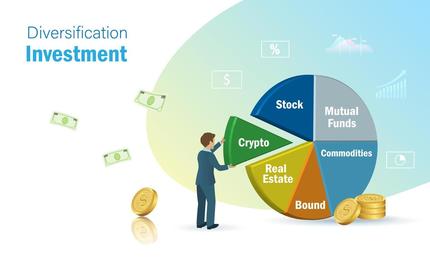
The worth of real estate frequently depends on its physical state and location, whereas non-real estate assets capitalize on intangible value. Ownership of a patent for an innovative medical invention, shares in a popular brand, or a collection of royalties from chart-topping songs can see significant growth as demand or creativity increases. These kinds of assets translate concepts and influence into wealth, moving beyond just physical space.
Lower Overhead, Higher Scalability
Investing in real estate incurs continuous expenses: upkeep, property taxes, and insurance. On the other hand, non-real estate assets tend to have reduced overhead. Putting money into a mutual fund or a startup doesn't necessitate property maintenance; acquiring rare books or cryptocurrencies requires minimal storage. This scalability enables investors to increase their assets without a proportional rise in time or financial resources allocated to management.

Aligning Assets with Future Trends
The next generation of wealth generation relies on innovation rather than just geographic location. Non-real estate investments provide investors the chance to invest in the future: initiatives in renewable energy, artificial intelligence startups, or developments in the metaverse. These sectors promise growth that exceeds that of traditional real estate, as they address pressing global issues and transform how individuals live, work, and interact. For discerning investors, the focus is not on steering clear of real estate—it’s about integrating it with investments that will influence the economy of tomorrow.

A Tale of Iwo Cities in the Crypto Market: Who Will Win, XRP or Bitcoin?
2025 Crypto: Where Are the Opportunities?
Do you really know when to start investing in funds?
Why you always lose money when buying wealth management products
Best Bank Accounts for Small Business Owners
The Ethical Framework for Investing: Juggling Profit and Values
Beat Inflation: Safeguard Your Wealth