From an outward perspective, the possessions of affluent individuals can appear quite unremarkable—absent are extravagant cryptocurrency holdings, risky technology startups, or high-stakes investments that capture the media's attention. Rather, they invest in what some might describe as "mundane" assets: reliable real estate, established blue-chip stocks, or low-volatility investment funds. This seeming lack of thrill does not indicate a deficiency in creativity, but rather, it reflects a purposeful financial approach centered on maintaining wealth and long-term planning. For those with considerable riches, "mundane" assets are not merely a fallback; they are the cornerstone of preserving prosperity, concealing a level of sophistication that may be overlooked by the casual observer.

Predictable Wealth Preservation: The Nature of Boring Assets
Affluent individuals emphasize predictable outcomes rather than thrilling opportunities. Eye-catching, high-risk assets may capture interest, but they carry the potential for devastating losses. In contrast, "boring" investments, including income-generating properties or stocks that yield dividends, provide consistent returns with minimal volatility, ensuring that wealth remains intact. This predictability is not tedious; it represents a calculated decision to safeguard their achievements, valuing stability over fleeting excitement.

Wealthy individuals opt for "boring" investments due to their tax benefits. Reliable real estate provides depreciation perks, while long-term holdings of blue-chip stocks benefit from lower capital gains rates. These tax efficiencies often go unnoticed by the average person, rendering "boring" assets significantly more valuable than their lackluster appearances might imply.
Liquidity Without Complications: The Flexibility of Boring Assets
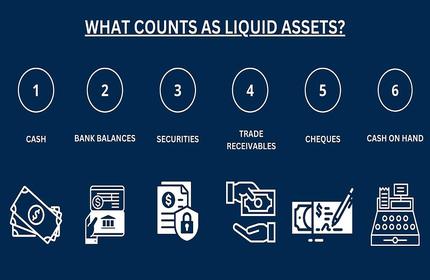
High-profile investments frequently come with liquidity challenges—they can be difficult to sell promptly without incurring substantial losses. Conversely, "boring" assets, like short-term bonds or easily liquidated real estate, afford flexibility. The affluent can access cash when needed without the worry of market downturns or illiquidity, transforming "boring" into a tactical advantage.
Steering Clear of Hype Cycles: The Sustainability of Boring
The financial landscape is rife with hype cycles—from cryptocurrency surges to tech startup frenzies—that lure many into risky ventures. Wealthy individuals navigate these pitfalls by committing to "boring" assets that are not influenced by transient trends. This refusal to pursue hype guarantees their wealth accumulates steadily, free from the boom-and-bust fluctuations that often affect more "exciting" portfolios.
The affluent take into account the generations that will follow them, and "boring" assets are well-suited for legacy arrangements. Consistent, reliable investments are simpler to bequeath to future heirs, bypassing the complications and risks associated with passing on volatile holdings. This approach guarantees the longevity of their wealth, making "boring" a valuable inheritance for their descendants.
Emotional Stability: The Stress Reduction Offered by Boring Assets
Thrilling investments often provoke emotional choices—fear, greed, hasty selling—that can diminish wealth. "Boring" assets demand minimal emotional involvement; they provide stable performance, allowing the wealthy to avoid the turmoil of continuous oversight. This emotional tranquility is an overlooked advantage, enabling them to concentrate on important matters rather than navigating market upheavals.
The "unexciting" investments of the affluent are not indicative of laziness, but rather of financial intelligence. They recognize that genuine wealth is not centered around thrills—it focuses on longevity, reliability, and safeguarding their accumulated assets. What appears dull to observers is, in fact, an exemplary lesson in enduring financial planning, crafted to preserve wealth over many years.

Planning for Early Retirement
A Handbook for Beginners to Forex Market Learning
Diversifying Assets: A Middle - Class Blueprint
Decoding the Reverse Financial Planning Trend
5 Clear Signs It’s Time to Upgrade Your Car and How to Secure the Best Auto Financing Deal
Why Smart Investors Choose Non-Real Estate Assets
Big Data, Artificial Intelligence, and Machine Learning: The Intelligent "Magic Wands" in