The ongoing differences in valuations between operationally similar companies highlight a significant weakness in conventional pricing models. Companies that possess the same profit margins, asset quality, and cash flow characteristics frequently sell at significantly different market multiples. This discrepancy cannot be solely justified through fundamental indicators. It results from the uneven ability to dictate a company's future direction, indicating that current asset valuation relies less on historical financial information and more on the prevailing narrative authority in the market.
A concrete example can be seen in the varying valuations of emerging sector leaders versus their later-stage counterparts. Companies that manage to influence industry consensus concerning long-term growth are able to achieve sustained valuation advantages, even in periods of limited short-term earnings increases. In contrast, firms that demonstrate stable current performance but lack a distinct framework for interpreting industry movements tend to be valued at ongoing discounts. Market actors consider not only the current production levels but also the perceived future possibilities shaped by influential corporate and institutional narratives.
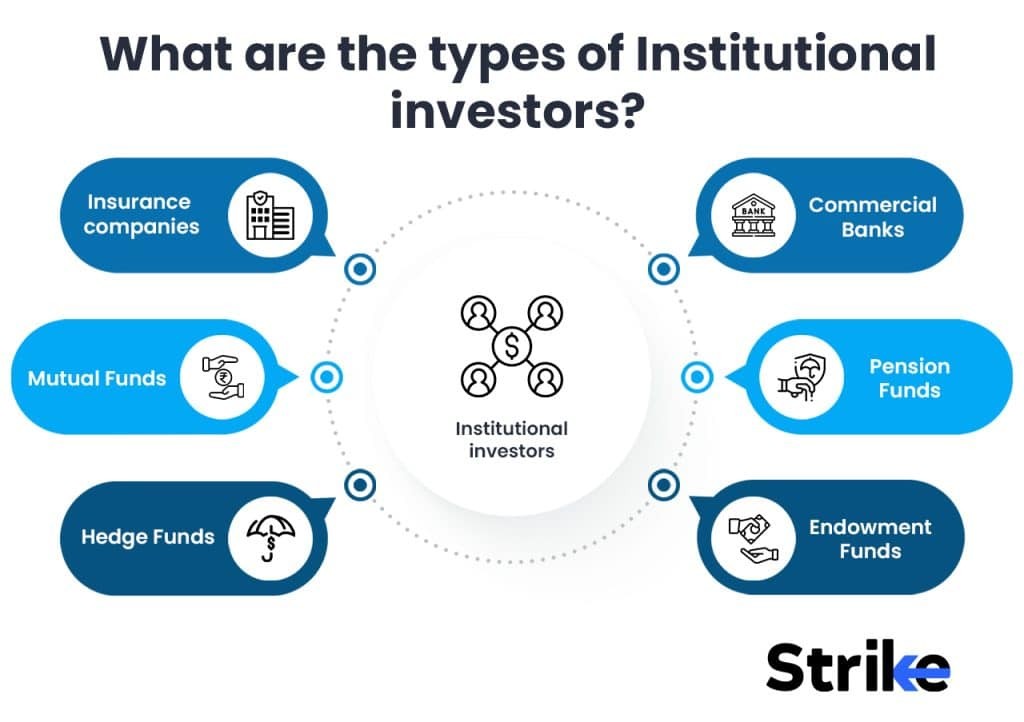
Secondary effects in the market arise from this narrative-based pricing strategy. Prevailing industry stories alter the flow of capital across entire sectors, directing liquidity and institutional preference toward assets that align with these narratives. Increased capital investment further affirms existing growth narratives, creating a self-perpetuating valuation cycle that can inflate multiples beyond what static financial indicators would warrant. This process redefines sector hierarchies, enabling firms with compelling narratives to outperform those that may have stronger fundamentals over extended market periods.
A fundamental paradox characterizes this valuation approach. Narrative influence engenders forward-looking market efficiency by assessing unrealized industrial potential, yet it also presents a distinct vulnerability not found in data-driven pricing methods. Valuations based on shared interpretations depend on ongoing narrative credibility rather than solid cash flow backing. Small changes in industry regulations, competitive landscapes, or institutional attitudes can unravel established narratives, triggering sudden drops in multiples that disconnect from operational achievements.

The dominance of narrative also influences long-term corporate strategic decisions in less acknowledged manners. Management teams are increasingly focusing on the credibility of their stories rather than merely optimizing marginal quarterly earnings, as the market repercussions for outdated narratives can be greater than the costs of minor financial underperformance. This strategic adjustment leads to a subtle distortion across industries: resources are directed toward crafting narratives and maintaining consensus rather than enhancing operational efficiency, further distancing market valuation from actual productivity growth.

For advanced decision-making in allocation, the critical understanding is to view valuation as a contested interpretive space. Strict fundamental analysis captures only the retrospective business landscape, whereas sustainable market profits hinge on recognizing shifting narrative authority and the resilience of consensus. A sophisticated market evaluation combines financial thoroughness with an understanding of narrative cycles, differentiating between lasting structural stories and fleeting market excitement. This dual approach helps clarify why market dominance often transitions to those who articulate future visions rather than simply achieving current performance.
Investors concentrating merely on backward financial metrics often misprice assets when market narratives diverge from real operating performance, overrating stagnant firms with robust historical data or writing off early-stage companies with unproven fundamentals. Navigating this dynamic requires separating narratives underpinned by verifiable structural tailwinds from speculative hype unable to stand earnings verification over time. This insight helps allocators anticipate shifts in market consensus rather than passively accepting mainstream assumptions embedded in current pricing.

Insurance: Buying Certainty, Not Just Spending

The Core of Making Money: Solve High-Value Financial Problems
Teaching Behavioral Finance to Teens: Building Smarter Money Habits Early
How to Start Socially Responsible Investing
How to Find Your Perfect Mortgage Rate
Savings Strategies for Single-Income Households
Top 4 Companies That Offer Zero Brokerage Trading