In extended phases of stable market activity, the majority of market players adjust their portfolios to align with typical volatility and prevailing trends. Capital shifts towards assets exhibiting reliable short-term results, while strategies for safeguarding against infrequent market disruptions are often seen as unnecessary expenses. This widespread practice creates a significant structural divide. Experienced allocators set themselves apart not through superior performance in calm markets, but by incorporating a quiet preparedness for the extreme events that reshape long-term wealth trajectories.
These risk-mitigating tools usually hurt returns when markets are calm. When stability seems like the new normal, investors tend to drop such protections. Most people only realize how valuable they are after a sharp market drop, but by that point it is generally too late to set up proper defenses. Outstanding allocators view this near-term performance drag as a deliberate price to pay: it helps protect capital and lets them grab high-quality chances when the broader market is under pressure.
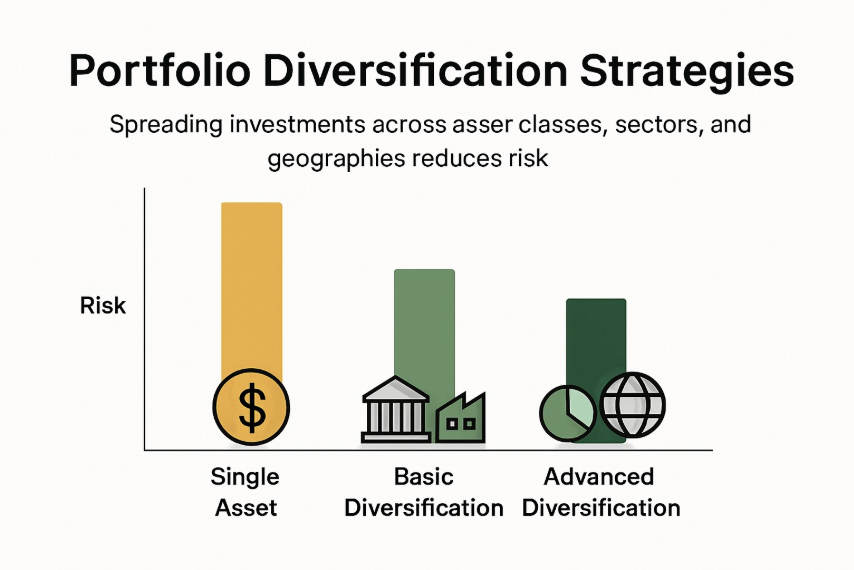
Traditional portfolio management focuses on optimizing for clear, frequent market situations, emphasizing steady incremental returns over built-in crisis resilience. Common diversification methods excel during usual volatility; however, they struggle to handle sharp correlation spikes during market crises. When liquidity contracts across worldwide markets, asset classes that typically operate independently tend to coalesce in descending trends, depriving traditional portfolios of their protective measures. This discrepancy clarifies why reliable mid-cycle results seldom lead to sustainable long-term growth.

Deep analytical thinking highlights the undervalued importance of being ready for extreme scenarios. Casual observers of the market tend to see hedging against tail risk as misallocated funds during peaceful times, fixated on the immediate costs associated with protective strategies. The secondary consequences paint a different picture: consistent, moderate protection against downturns prevents permanent capital loss, which is the greatest hindrance to long-lasting asset appreciation. Rebounding from significant portfolio declines requires extraordinary performance in following cycles, a challenge that very few market participants can consistently achieve.
A subtle contradiction within the industry arises from this situation. As market stability increases, collective risk awareness diminishes, causing uneventful periods to become the quiet source of systemic weaknesses. A sense of complacency develops as stable pricing normalizes elevated risk acceptance, promoting concentrated trend strategies and lower defensive allocations. Top-tier operators view stable markets not as risk-free scenarios but as opportunities to strengthen resilience before hidden structural weaknesses become apparent during significant regime changes.
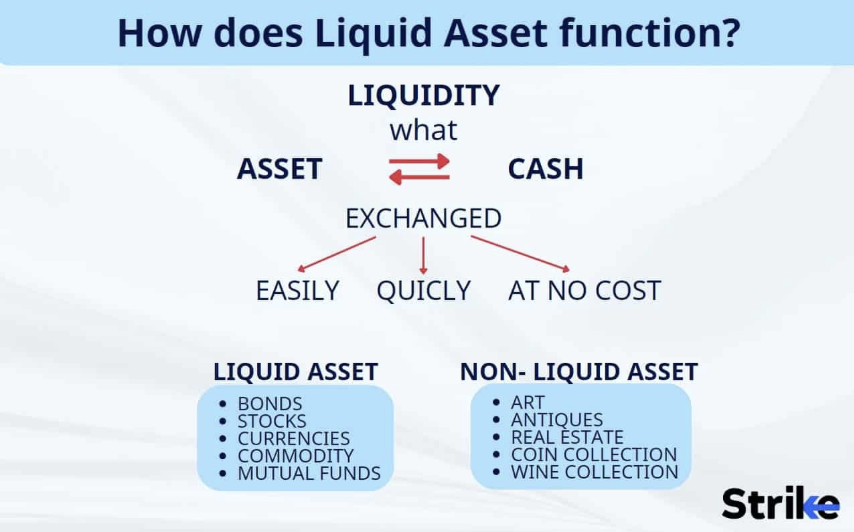
This preparedness does not depend on accurately predicting the exact triggers of crises. Instead, it focuses on a structural portfolio design that can withstand unpredictable shocks rather than expected fluctuations. Carefully considered allocations maintain uncorrelated liquidity reserves and limited tail hedges throughout tranquil market conditions, emphasizing durability over slight short-term profits. This approach embraces minimal performance drag in ordinary markets to avoid severe downside risk amid systemic crises.
In global capital markets influenced by unpredictable shocks and cyclical weaknesses, standard discipline yields standard returns. The most persistent advantage in investing arises from being prepared for situations that the wider market entirely overlooks. Superior allocation strategies demonstrate that extreme occurrences do not undermine portfolios; rather, unaddressed weaknesses to such events do.

Financial Tips for a Post-Pandemic Economy: Navigating New Norms
Retail investors rush into the fire? Who will have the last laugh in this brave game of the stock ma
The Great Currency Shift: Are You Ready?
Top Techniques for Debt Management to Ensure Financial Freedom

Why Salaries Can’t Buy Freedom for Ordinary People
How To Boost Retirement Savings
How to Grow Assets Steadily for Financial Freedom