The ongoing process of transferring physical gold from Western custodial vaults to national storage facilities has transpired subtly alongside unprecedented gold acquisitions by sovereign reserve managers over several years. This detailed operational development signifies a much deeper monetary implication than the brief market analyses often recognize. While mainstream narratives depict this surge in official sector purchases as a typical measure against inflation, the systematic alteration of the sovereign reserve composition reveals layered signals that challenge long-standing beliefs concerning the safety of fiat assets, frameworks for cross-border capital, and the calibration of long-term portfolio risks.

At its essence, this continued accumulation signifies a lasting reassessment of the counterparty risk that comes with dollar-denominated reserve assets. For many years, sovereign balance sheets treated Treasury bonds located in offshore financial centers as secure and reliable assets. However, the use of international financial restrictions has shown this view to be delicate, prompting reserve teams to distinguish wealth storage from control by foreign jurisdictions. Physical gold does not carry any legal or political risks, which clarifies why the repatriation process coincides with bullion purchases; together, these actions create a cohesive strategy designed to protect national monetary systems from external policy disruptions, a fundamental change unlikely to reverse even with temporary price fluctuations.
The consequential effects of this transition are reshaping global liquidity patterns in both public and private markets. Continuous official demand creates a lasting valuation baseline for bullion, lessening downturns during widespread asset sell-offs and disconnecting gold pricing from real interest rate fluctuations that previously influenced its direction. This new pricing behavior alters gold’s role in investment portfolios, shifting it from a cyclical trading asset into a constant structural diversifier rather than merely a temporary hedge during crises. At the same time, central banks moving away from long-term sovereign debt produces ongoing downward pressure on global bond liquidity, increasing yield spreads for all fiat fixed-income assets in cross-border portfolios.

A significant contradiction lies at the heart of the rush towards increasing gold reserves, a factor often overlooked in mainstream market discussions. Gold does not yield ongoing cash returns, trapping considerable amounts of sovereign capital in non-yielding assets that could alternatively finance domestic industrial and fiscal initiatives. Prolonged dependence on gold as a security buffer leads to concealed opportunity costs for reserve managers, while concentrated official ownership of the physical supply adds potential market instability. In critical currency defense situations, the large-scale liquidation of gold faces restricted immediate liquidity, leaving government authorities with slower crisis management options in comparison to government debt instruments that can be traded quickly.
Broader systemic fractures begin to surface as differing reserve strategies create a divide in the global monetary landscape. Nations that prioritize self-reliant hard asset holdings are moving away from integrated dollar-based settling systems, which encourages the development of regional payment alternatives that lessen the singular liquidity benefit previously associated with the United States dollar. This slow fragmentation does not swiftly diminish the dollar's significance, yet it gradually weakens the structural advantage that historically justified significant investments in dollar-denominated assets across various levels of wealth ownership.
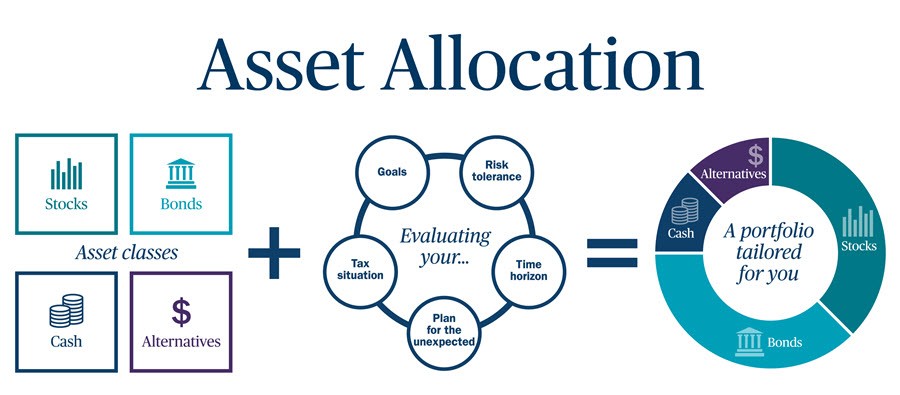
For individuals adjusting their long-term asset allocations, the trend in central bank gold is less significant as a sign of price direction and more indicative of lasting changes in the monetary system. The institutional inclination towards neutral, universally accepted hard assets indicates a lasting evolution in how all market players assess safety, necessitating more sophisticated strategies for diversification that take into account the degradation of fiat credit and the overlooked compromises associated with substantial bullion holdings.

How to Leverage Behavioral Finance for Smarter Investments
Ethical Banking: Banks with a Conscience
Car Insurance Basics: You Need to Know
Why generate personalized check stubs?
Emergency Funds & Insurance: Dual Financial Safeguards
How to Refinance Your Mortgage for Better Terms
Investing in Foreign Markets